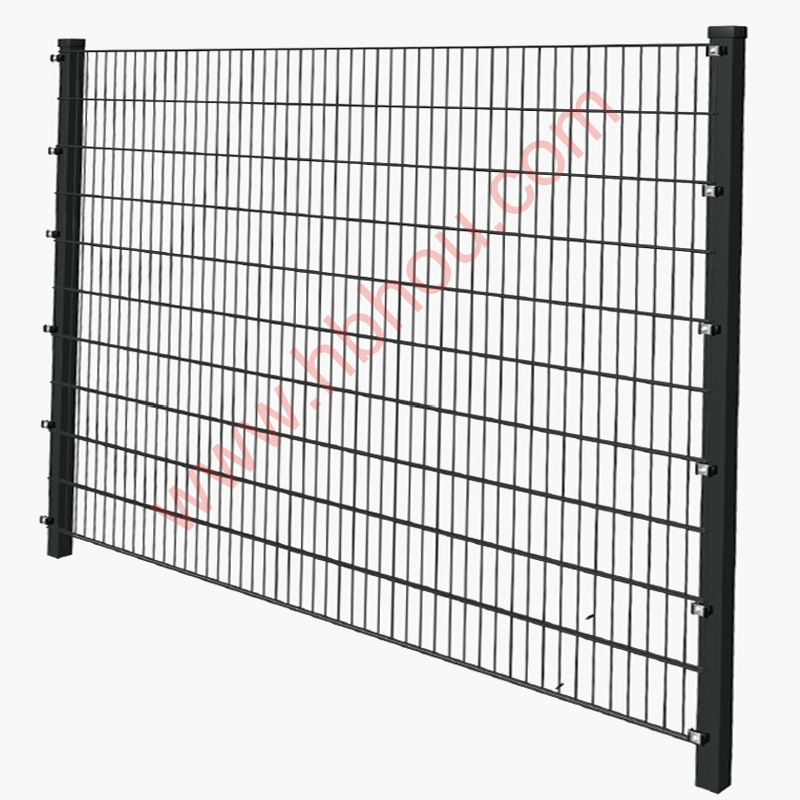
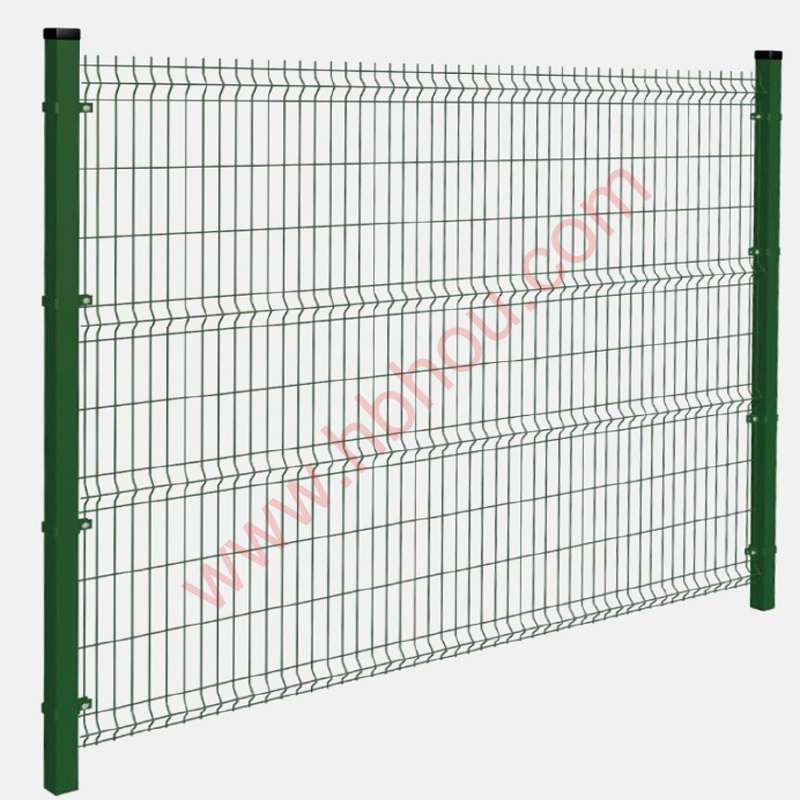
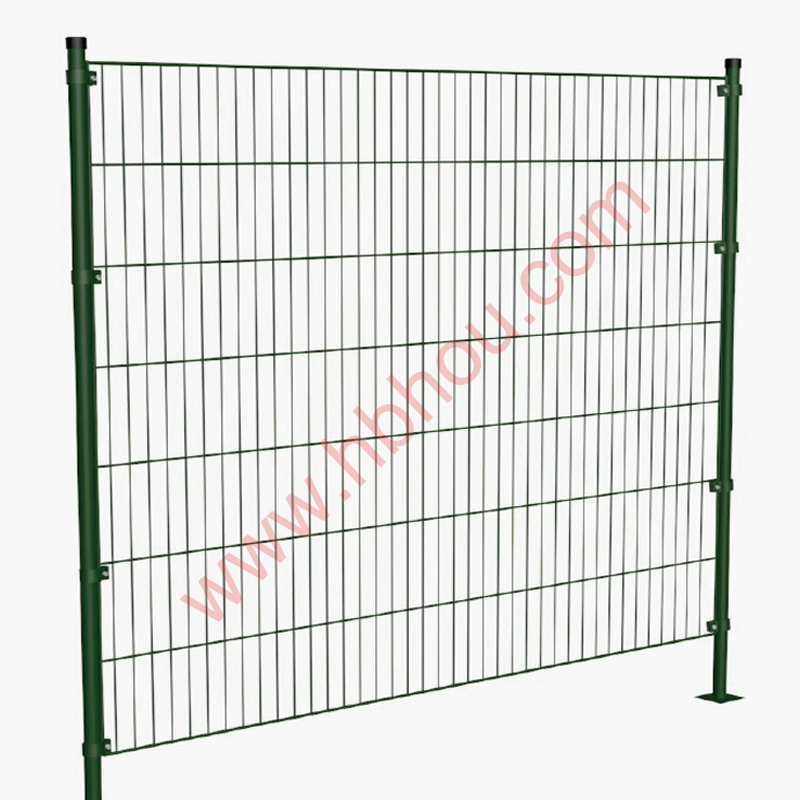
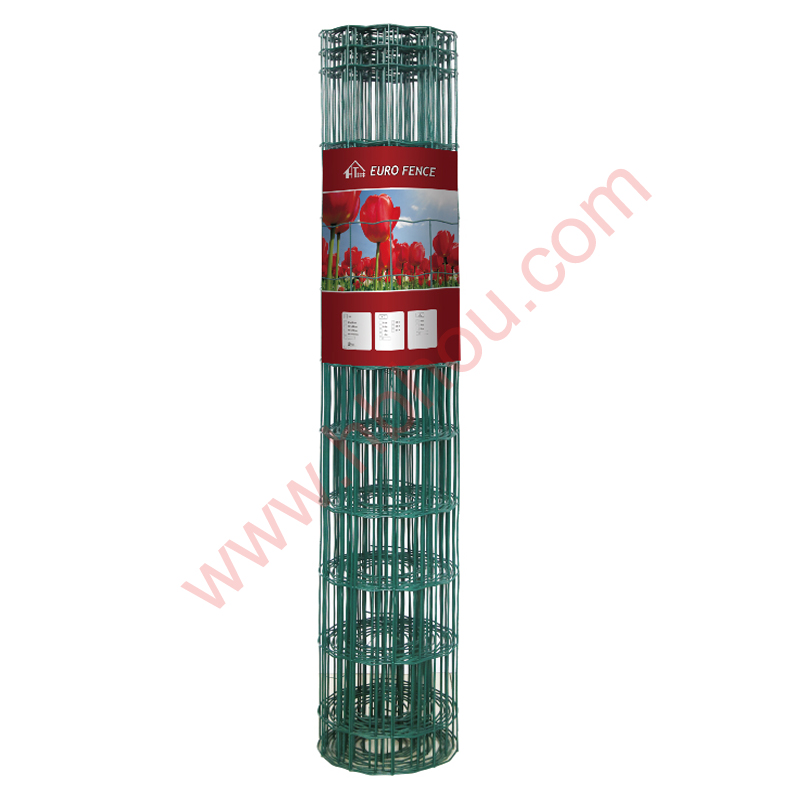
Chain Link Fence Replacement: What You Need to Know
Chain link fences are everywhere—around playgrounds, factories, schools, even entire neighborhoods. They’re simple, functional, and affordable. But what happens when they wear out, get damaged, or aren’t fit for purpose anymore? That’s where chain link fence replacement comes in, and frankly, it’s more critical than it sounds. Globally, replacing an old or failing chain link fence isn’t just about aesthetics; it’s about security, safety, and sustainability. Getting it right can save money, reduce waste, and even protect communities.
Introduction: Why Chain Link Fence Replacement Matters Worldwide
The use of chain link fencing is largely standardized across the globe, with millions of linear feet installed annually. According to data from the International Organization for Standardization (ISO), over 80% of perimeter fencing in industrial and public sectors is currently chain link style or one of its direct variants. You might wonder, why replace something so prevalent? The truth is, fences degrade due to weather, wear and tear, and sometimes vandalism. In urban and rural settings alike, faulty fences can lead to increased theft, wildlife intrusion, or safety hazards.
On a global scale, organizations involved in disaster recovery and infrastructure development [source] often face the problem of rapid fence replacement post-catastrophe to rebuild safe perimeters quickly. So, understanding how chain link fence replacement works, along with its benefits and challenges, is essential for planners and procurement specialists.
What is Chain Link Fence Replacement?
Simply put, chain link fence replacement refers to the process of removing an existing chain link fence and installing a new one in its place. This may involve completely dismantling the rusty or broken chain mesh and posts, then erecting new galvanized or coated fencing materials. The goal: restore or enhance barrier integrity, security, and aesthetics while minimizing downtime.
This process connects strongly with modern industry needs such as fast turnaround in construction, cost optimization, and environmental responsibility. It's a crucial aspect in settings ranging from municipal parks to aerospace facilities.
Core Components of Successful Chain Link Fence Replacement
Durability
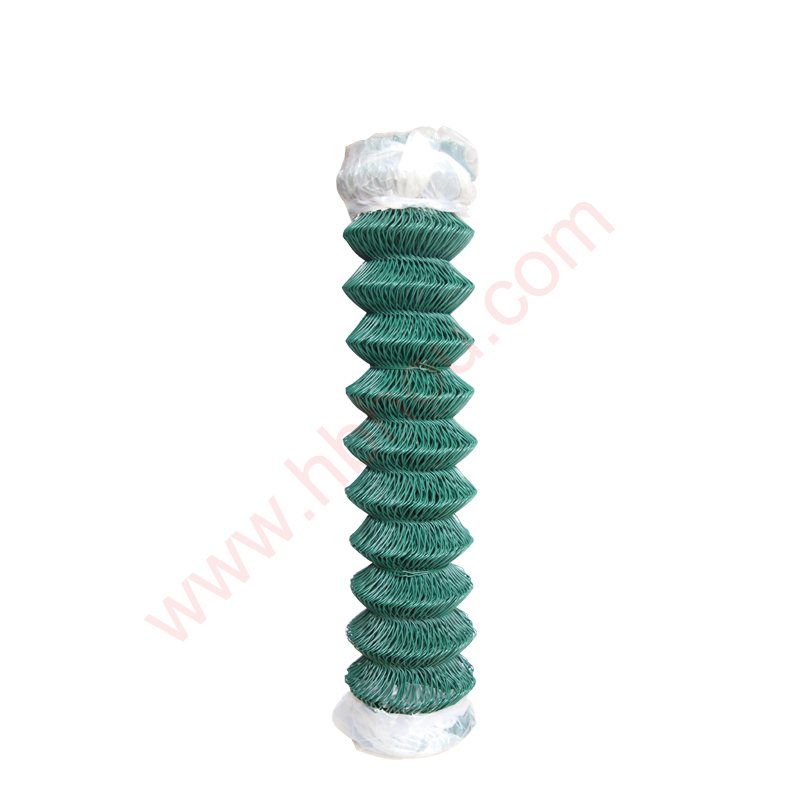
Choosing the right materials—usually galvanized steel or vinyl-coated wire—makes all the difference. Durability here translates to lasting resistance against corrosion, UV damage, and mechanical stress.
Scalability
Chain link fences are modular, so they scale from a few meters around a small garden to kilometers enclosing facilities. Replacement projects must consider ease of scaling depending on the site size.
Cost Efficiency
Replacing fences can strain budgets, so material choice, labor costs, and maintenance need balancing. A cheaper upfront option might cost more long term due to repairs.
Installation Speed
Especially in industrial or disaster-relief situations, quicker installation reduces vulnerability timeframes. Utilizing prefabricated components or snap-fit posts can help.
Sustainability
Recycling old chain link materials and choosing eco-friendly coatings is increasingly relevant. The UN’s Sustainable Development Goals (SDGs) push for such responsible material management.
Mini Takeaway:
When replacing chain link fences, balancing durability, cost, scalability, and sustainability defines success.
Chain Link Fence Replacement in Action: Global Use Cases
- Disaster Relief Zones: After earthquakes or floods, replaced fencing secures displaced persons camps swiftly.
- Industrial Complexes: Facilities in remote regions rely on resilient fences to protect assets and personnel.
- Urban Schools & Parks: Regular fence upgrades improve children’s safety while upgrading community spaces.
- Agricultural Lands: Farmers replace fences to protect crops and livestock from wildlife.
One memorable case was in a Southeast Asian coastal city where storm damage tore down fencing protecting a power substation. Within a week, a team replaced the fencing with galvanized, powder-coated chain link to withstand future storms—a small upgrade with big resilience impacts.
Advantages & Long-Term Value of Chain Link Fence Replacement
The benefits go beyond just looking nicer. First, improved safety encourages community trust and deters trespassing. Cost-wise, investing in quality materials and proper installation means fences last longer and reduce maintenance headaches. Environmentally, replacing old line fences with recyclable steel lessens landfill waste. Emotionally, knowing that your workplace or neighborhood is well-protected brings peace of mind. And frankly, in some industries, compliance with regulatory fencing standards is non-negotiable and failure puts operations at risk.
Chain Link Fence Product Specifications
| Specification | Details |
|---|---|
| Material | Galvanized steel wire, PVC-coated option available |
| Mesh Size | 1.5"/2" diamond pattern typical |
| Wire Gauge | 9 to 11 gauge |
| Post Type | Round or square steel tubing, galvanized or coated |
| Height Options | 3 ft to 12 ft standard heights |
Vendor Comparison: Chain Link Fence Replacement Solutions
| Vendor | Materials Offered | Installation Speed | Warranty | Sustainability Practices |
|---|---|---|---|---|
| SecureFences Inc. | Galvanized, PVC-coated | 2-4 weeks | 10 years | Recycling & low-VOC coatings |
| FencePro Solutions | Galvanized only | 3-6 weeks | 7 years | Limited recycling, focus on longevity |
| EcoFence Co. | PVC-coated, recycled steel | 4 weeks | 12 years | High emphasis on sustainability |
Upcoming Trends & Innovations in Chain Link Fence Replacement
Looking ahead, I notice a real push toward integrating smart fencing solutions with chain link replacements. Sensors that alert security teams of breaches, as well as advanced coatings that self-repair small scratches or corrosion spots, are no longer sci-fi. Also, sustainability dominates materials research—think recycled steel with zero-PVC coatings.
The role of automation in installation is growing too. Robotics-driven assembly could speed up the process and improve consistency, which frankly makes logistical sense for large infrastructure projects worldwide. It’s quite exciting.
Challenges and Expert Solutions
Common hurdles include handling complex terrain, discreetly disposing of old materials, and coordinating replacement without disrupting site operations. Experts suggest phased replacement strategies and modular fence designs to minimize downtime. For example, section-by-section removal and installation keeps most areas secure at all times.
FAQ: Frequently Asked Questions About Chain Link Fence Replacement
- How long does an average chain link fence last before needing replacement?
- Typically, with proper maintenance, galvanized chain link fences last around 15-20 years. Environmental factors like coastal salt air may shorten this lifespan.
- Is PVC coating worth the extra cost compared to standard galvanized fencing?
- PVC coatings add a protective layer that greatly improves corrosion resistance and aesthetics. Over time, they reduce maintenance costs, often balancing the upfront investment.
- Can chain link fences be recycled during replacement?
- Yes. Galvanized steel wire and posts are recyclable. Many replacement projects now incorporate dismantling and recycling old fencing to minimize environmental impact.
- What are typical installation timelines for chain link fence replacement?
- Depending on the fence length and site conditions, replacement can take anywhere from a few days to several weeks. Modular fencing methods are speeding this up.
Conclusion + Call to Action
Chain link fence replacement is more than a simple swap; it’s an investment in safety, sustainability, and long-term site integrity. Whether you’re securing an industrial compound, revitalizing community spaces, or responding to natural disasters, understanding the nuances helps you select the best materials and methods—with lasting confidence.
Ready to learn more or start your own replacement project? Visit our website: chain link fence replacement for expert advice, product options, and tailored solutions.
Oddly enough, a well-installed fence often goes unnoticed—that’s when you know it’s done right.
References
Mini takeaway: A sustainable, durable chain link fence replacement secures your space and honors your budget and the planet.