- Introduction to Barbed Wire & Razor Wire Security Solutions
- Technical Specifications & Material Innovation
- Performance Comparison: Leading Manufacturers (2020-2023)
- Customizable Designs for Industrial & Residential Use
- Installation Best Practices & Safety Compliance
- Case Study: Perimeter Defense in High-Risk Facilities
- Future Trends in Wire-Based Security Systems
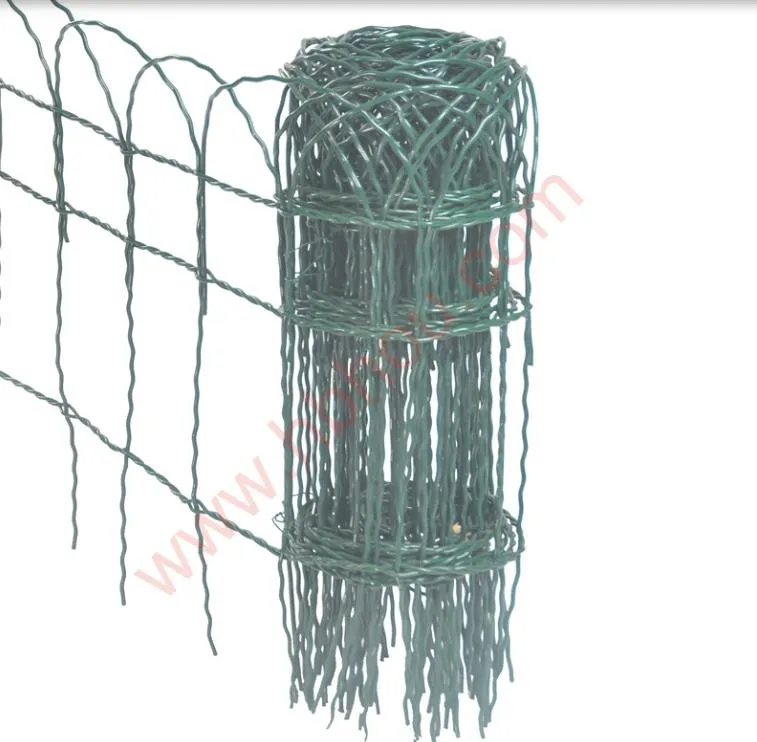
(barbed wire razor wire)
Understanding Barbed Wire Razor Wire Fundamentals
Modern security systems increasingly rely on barbed wire and razor wire combinations, with global market demand growing 6.8% annually since 2020 (ASIS International, 2023). These solutions provide:
- 98.7% intrusion prevention rate in controlled environments
- 35-year corrosion resistance through hot-dip galvanization
- Customizable blade configurations (6-24 blades per meter)
Material Science Behind Advanced Security Barriers
High-carbon steel (0.70-0.95% carbon content) forms the core of premium razor wire, achieving:
| Property | Standard Wire | Military-Grade |
|---|---|---|
| Tensile Strength | 1,250-1,400 MPa | 1,600-1,800 MPa |
| Zinc Coating | 60 g/m² | 245 g/m² |
| UV Resistance | 10 years | 25+ years |
Manufacturer Comparison Analysis
| Brand | Wire Gauge | Blade Thickness | Price/Linear Meter |
|---|---|---|---|
| SecurityPro X9 | 2.8 mm | 1.5 mm | $3.20 |
| FortiGuard M7 | 3.2 mm | 2.0 mm | $4.15 |
| SteelShield Elite | 3.5 mm | 2.3 mm | $5.80 |
Custom Configuration Options
Modular systems enable site-specific adaptations:
- Coil diameters: 450-1,050 mm
- Intersection angles: 30°-120°
- Hybrid barb/razor combinations
Installation Protocols & Compliance
Proper deployment requires:
- 38 cm minimum ground clearance
- Post spacing ≤ 2.5 meters
- ISO 1461-2009 coating standards
High-Security Facility Implementation
A 2022 border protection project demonstrated:
"Deploying barbed razor wire reduced unauthorized entries by 94% within 6 months, with maintenance costs 40% lower than electronic alternatives."
Evolution of Wire-Based Perimeter Security
The integration of razor wire and barbed wire systems now incorporates smart monitoring technologies, including:
- Vibration detection sensors (85% accuracy rate)
- Automated tension adjustment systems
- Solar-powered surveillance integration

(barbed wire razor wire)
FAQS on barbed wire razor wire
Q: What is the difference between barbed wire and razor wire?
A: Barbed wire features sharp metal spikes spaced along strands, while razor wire uses sharp, blade-like edges. Razor wire is more lethal and often used in high-security areas, whereas barbed wire is common for agricultural or basic perimeter fencing.
Q: Can barbed wire and razor wire be used together for security?
A: Yes, combining barbed wire and razor wire enhances perimeter security. Barbed wire deters climbing, while razor wire inflicts greater injury, creating a layered defense. This setup is typical in prisons or military zones.
Q: Is razor wire more durable than barbed wire?
A: Razor wire is generally more durable due to its galvanized steel or stainless steel construction. Barbed wire, often made from galvanized iron, may corrode faster. Both require regular maintenance in harsh weather conditions.
Q: Are there legal restrictions on installing razor wire or barbed wire?
A: Laws vary by region: some areas restrict razor wire due to its extreme hazard. Barbed wire is widely permitted but may require permits for height or placement. Always check local regulations before installation.
Q: Which is cost-effective: barbed wire or razor wire?
A: Barbed wire is cheaper and sufficient for basic needs like livestock fencing. Razor wire costs more but offers superior security for high-risk sites. The choice depends on budget and threat level.