Understanding 3D Fence Panels: Design, Manufacturing, and Application
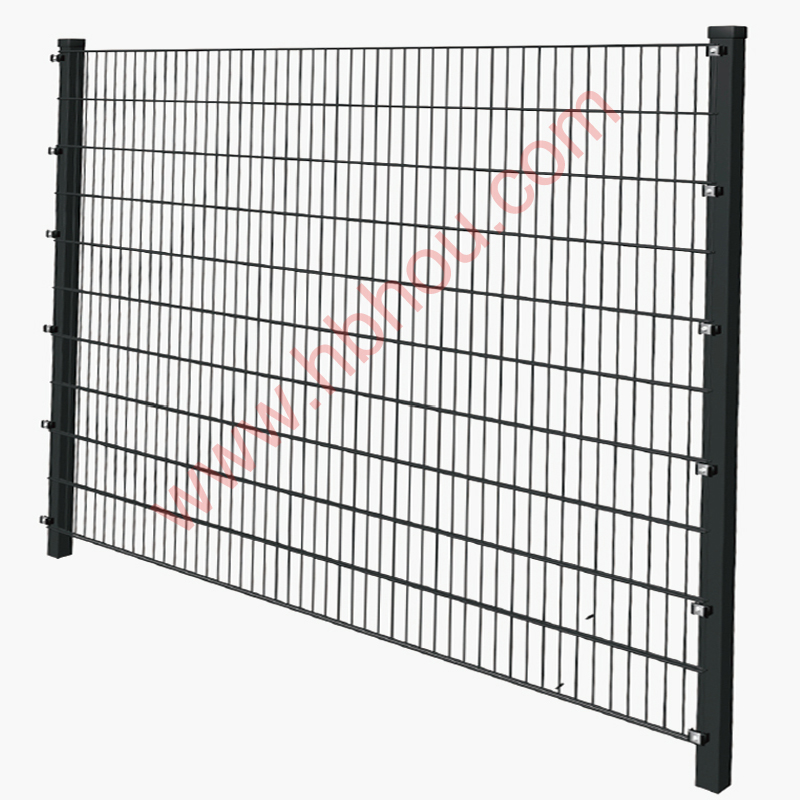
In modern perimeter security and demarcation, the evolution of fencing solutions has led to advanced designs that blend aesthetics with robust functionality. Among these, 3d fence panels stand out as a premier choice for B2B applications across diverse sectors. Known for their distinctive V-folds or curves, these panels offer superior rigidity, enhanced visual appeal, and exceptional durability compared to traditional mesh fences. This comprehensive guide delves into the technical specifications, manufacturing processes, application scenarios, and key advantages of these sophisticated fencing systems, providing critical insights for procurement professionals and project managers.
The demand for secure, aesthetically pleasing, and long-lasting fencing solutions has driven significant innovation in the industry. 3d fence panels, often referred to as 3d panel fence, 3d welded wire fence, or 3d welded wire mesh fence, represent the pinnacle of this development. Their unique design not only fortifies the structure against impact and deformation but also adds a contemporary touch to any installation, from industrial complexes to public parks and residential communities.
Detailed Manufacturing Process of 3D Fence Panels
The production of 3d fence panels is a meticulous process, ensuring each panel meets stringent quality and performance criteria. The fundamental material is typically high-quality low-carbon steel wire, selected for its excellent tensile strength and ductility. The manufacturing process involves several critical stages:
- Wire Drawing: High-carbon or low-carbon steel rods are drawn through dies to achieve the desired wire diameter, typically ranging from 3.0mm to 6.0mm. This process enhances the wire's strength and uniformity.
- Welding: The drawn wires are precisely resistance-welded together to form a rigid mesh structure. State-of-the-art automated welding machines ensure consistent mesh openings (e.g., 50x150mm, 50x200mm) and strong, unyielding weld points, preventing separation or weakening under stress. This forms the basic 3d wire mesh fence panel.
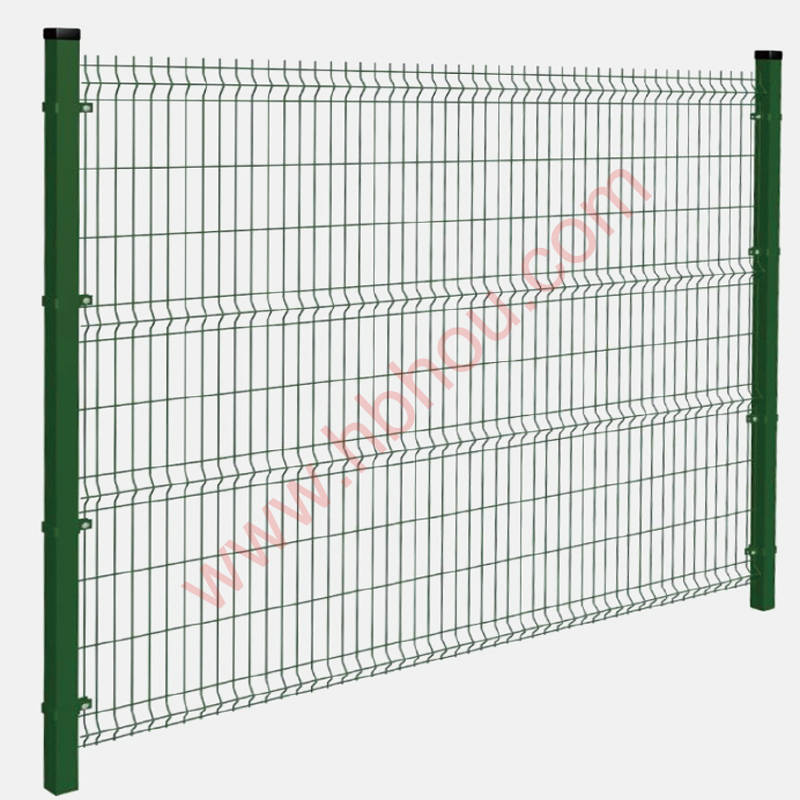
- Bending (V-Folds): This is the defining characteristic of 3d fence panels. Specialized bending machines create horizontal V-folds or curves at specific intervals along the panel's length. These folds significantly increase the panel's rigidity, anti-climb properties, and resistance to impact and deformation. The number and depth of folds are engineered based on panel height and desired strength.
-
Surface Treatment: To ensure exceptional corrosion resistance and a long service life (often exceeding 15-20 years), the panels undergo a multi-stage surface treatment process:
- Hot-Dip Galvanization: Panels are immersed in molten zinc, creating a metallurgical bond that provides a robust sacrificial coating against rust. This process adheres to standards such as ASTM A123 or ISO 1461.
- Pre-treatment (e.g., Phosphating): For optimal adhesion of subsequent coatings, panels are cleaned, degreased, and often phosphated.
- Powder Coating: A polyester powder coat is electrostatically applied and then baked at high temperatures. This creates a smooth, durable, and UV-resistant finish available in a wide range of RAL colors, enhancing aesthetics and providing an additional layer of protection against environmental elements. Coatings typically meet ISO 2812 or ASTM D3359 for adhesion.
- Quality Control & Testing: Throughout the process, rigorous quality control measures are implemented. This includes visual inspection, weld strength tests, wire diameter verification, mesh dimension checks, and coating thickness measurements (e.g., using eddy current or magnetic induction methods). Adherence to ISO 9001 certified manufacturing processes ensures consistent product quality.
Technical Specifications and Parameters
Understanding the technical specifications of 3d welded wire fence is crucial for selecting the appropriate solution for specific project requirements. Key parameters include wire diameter, mesh size, panel dimensions, and coating thickness.
Typical Product Specifications for 3D Fence Panels
| Parameter | Specification Range | Notes |
|---|---|---|
| Material | Low Carbon Steel Wire | High-strength, durable |
| Wire Diameter (Post-Coating) | 3.0mm - 6.0mm (e.g., 4.0mm, 5.0mm) | Influences rigidity and security level |
| Mesh Opening | 50x150mm, 50x200mm, 75x200mm | Optimal balance of visibility and security |
| Panel Width | 2000mm, 2500mm, 3000mm | Standard lengths for efficient installation |
| Panel Height | 630mm - 2500mm (e.g., 1030mm, 1530mm, 1730mm) | Matches diverse security and aesthetic needs |
| Number of V-Folds | 2, 3, 4, or 5 (depending on height) | Enhances rigidity and aesthetics |
| Surface Treatment | Hot-dip galvanized, PVC/Powder Coated | Superior corrosion resistance, aesthetic finish |
| Coating Thickness | Zinc: ≥60 g/m²; Powder: ≥100 µm | Critical for long-term durability and weather resistance |
| Tensile Strength | Typically 450-550 MPa | Ensures panel robustness and resistance to cutting |

Application Scenarios and Industry Trends
The versatility and high performance of 3d fence panels make them ideal for a wide array of application scenarios, addressing critical needs for security, demarcation, and aesthetic integration.
- Industrial & Commercial Properties: Securing factories, warehouses, distribution centers, and office parks, where both security and a professional appearance are paramount.
- Public Infrastructure: Fencing for airports, railway lines, highways, public transportation hubs, and utilities (e.g., water treatment plants, power substations), providing critical access control and safety. The corrosion resistance is particularly advantageous in environments exposed to varying weather conditions.
- Educational & Recreational Facilities: Demarcating school grounds, university campuses, sports fields, parks, and playgrounds, ensuring safety for users while maintaining an open, inviting feel.
- Residential Developments: Perimeter fencing for housing estates, apartments, and private properties, offering security without obstructing views.
- High-Security Applications: When combined with additional security features like razor wire or specialized toppings, these panels can enhance security for sensitive sites.
Current industry trends highlight a growing preference for sustainable, low-maintenance, and aesthetically versatile fencing solutions. 3d fence panels align perfectly with these trends, offering long-term cost-effectiveness due to minimal maintenance requirements and a range of color options to integrate seamlessly with architectural designs. The emphasis on environmental protection also favors powder-coated finishes, which have lower VOC emissions compared to traditional wet paint systems.

Technical Advantages and Vendor Comparison
The technical advantages of 3d welded wire mesh fence are significant, driving its widespread adoption.
- Enhanced Rigidity and Anti-Climb Features: The V-folds are not merely decorative; they act as horizontal reinforcement beams, dramatically increasing the panel's structural integrity and resistance to bending or cutting. This design also provides fewer footholds, making climbing more difficult.
- Superior Corrosion Resistance: The multi-layer surface treatment (hot-dip galvanization followed by polyester powder coating) offers unparalleled protection against rust, UV radiation, and harsh weather conditions, ensuring a service life of 15-20 years or more. This reduces maintenance costs and lifecycle expenditures.
- Aesthetic Integration: With various RAL color options, these panels can be customized to match corporate branding or blend harmoniously with natural landscapes and architectural designs. The transparent mesh design maintains visibility.
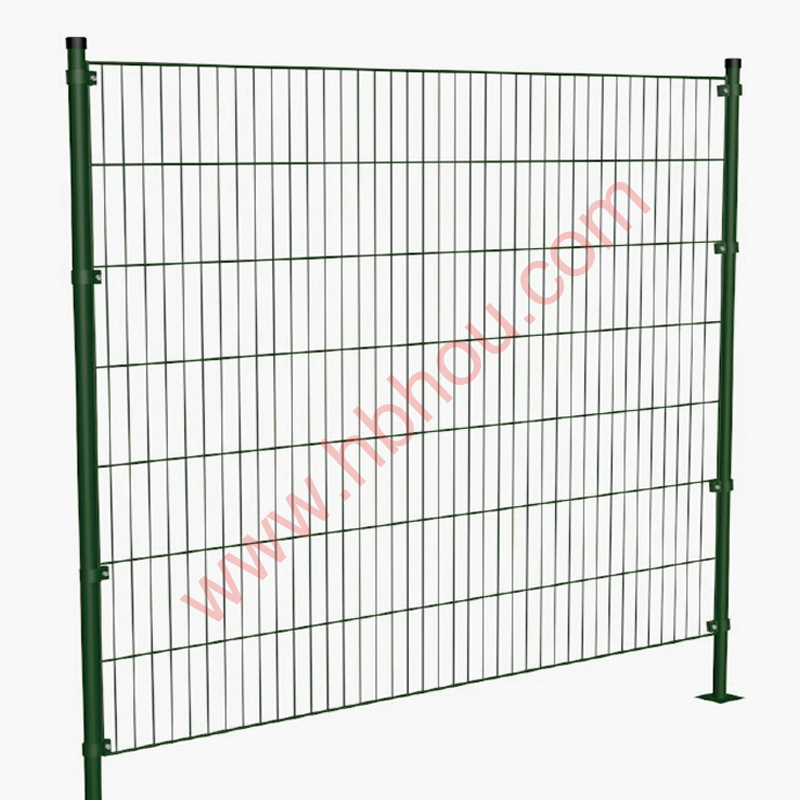
- Ease and Speed of Installation: Designed for modularity, 3d fence panels are typically installed with square or round posts using specialized clips, which simplifies the installation process and reduces labor costs.
- Cost-Effectiveness: While the initial investment might be slightly higher than basic chain link, the extended service life, minimal maintenance, and superior security offered by these panels result in a lower total cost of ownership.
Vendor Comparison: Key Differentiators
When evaluating suppliers for 3d wire mesh fence, B2B decision-makers should consider the following:
| Criteria | High-Quality Vendor (e.g., HB Hou Steel Mesh Co., Ltd.) | Standard Vendor |
|---|---|---|
| Material Quality | Virgin low-carbon steel, consistent wire diameter, high tensile strength. | Potentially recycled steel, inconsistent wire diameter, lower tensile strength. |
| Welding Quality | Automated precision welding, strong, uniform welds, minimal defects. | Manual or semi-automated, inconsistent welds, higher defect rate, weak points. |
| Surface Treatment | Multi-stage (e.g., hot-dip galvanized & powder coated), ≥100µm powder coating, adherence to ISO/ASTM standards. | Often only galvanized or thin powder coat, prone to chipping/peeling, lower rust protection. |
| V-Fold Consistency | Uniform, accurately positioned folds, maximizing rigidity. | Inconsistent spacing or depth, reducing structural integrity. |
| Customization | Offers custom heights, colors, mesh sizes, and post types. | Limited options, standard sizes only. |
| Certifications | ISO 9001, CE, ASTM, or equivalent international quality marks. | Few or no internationally recognized certifications. |

Customized Solutions and Application Case Studies
Leading manufacturers of 3d panel fence understand that every project has unique requirements. Therefore, offering tailored solutions is a cornerstone of professional service. Customization options often include:
- Panel Dimensions: Specific heights and widths to fit challenging terrains or unique perimeter layouts.
- Wire Gauge & Mesh Size: Adjustments for varying security levels, from light residential to heavy industrial.
- Color Matching: Custom RAL colors for brand consistency or aesthetic integration.
- Post Types and Fixings: Options for various post styles (square, round, rectangular) and specific fixing mechanisms (e.g., metal clips, plastic clamps, U-clips) to suit installation preferences and structural needs.
- Integrated Security Features: Compatibility with razor wire, barbed wire, or security toppings for enhanced protection.
Case Studies: Real-World Applications
Case Study 1: Perimeter Security for a National Logistics Hub A major logistics company required robust and visually unobtrusive perimeter fencing for its new 50-acre distribution center. The solution involved 2.0m high 3d fence panels with a 5.0mm wire diameter and 50x200mm mesh, hot-dip galvanized and powder-coated in RAL 6005 green. The V-folds provided critical rigidity against potential intrusions, while the green finish allowed the fence to blend with the surrounding landscape. The project was completed within an aggressive timeline, demonstrating the ease of installation.
Case Study 2: Public Park Demarcation in an Urban Setting A municipal government sought a durable and appealing fencing solution for a newly renovated urban park, needing to secure sensitive areas while maintaining an open feel. They opted for 1.2m high 3d wire mesh fence panels with a 4.0mm wire diameter, powder-coated in a subtle grey. The panels' transparency ensured park visitors didn't feel enclosed, and the V-folds deterred casual vandalism and climbing, contributing to a safe and aesthetically pleasing environment for families. The low maintenance aspect was a key factor for the city's long-term budget.

Commitment to Trust: FAQs, Lead Times, Warranty, and Support
Building trust with B2B clients requires transparency and robust support. Here's a breakdown of common queries and commitments.
Frequently Asked Questions (FAQ)
-
Q: What is the typical service life of your 3d welded wire fence?
A: With our standard hot-dip galvanized and powder-coated finish, the service life is generally 15-20 years, even in challenging environments. -
Q: Are the panels resistant to extreme weather?
A: Yes, the multi-layer surface treatment provides excellent resistance to UV radiation, rain, snow, and temperature fluctuations, preventing rust and degradation. -
Q: Can the panels be installed on uneven terrain?
A: Yes, the modular design allows for some flexibility in installation on sloped or uneven ground. For significant variations, custom panel sizing or stepped installations can be designed. -
Q: What type of posts and fittings do you recommend?
A: We offer various post options (square, rectangular, round) and robust fixing accessories, including metal or plastic clips, selected based on the panel height, security requirements, and aesthetic preference.
Lead Time and Fulfillment
Our standard lead time for typical orders of 3d fence panels is 3-4 weeks from order confirmation, depending on volume and customization requirements. Expedited production and shipping options are available for urgent projects, subject to discussion. We maintain efficient production lines and robust logistics partnerships to ensure timely delivery globally.
Warranty Commitment
We stand by the quality of our products. All 3d wire mesh fence products are backed by a minimum 10-year anti-corrosion warranty, covering defects in material and workmanship under normal use and maintenance. Specific warranty terms may vary based on product finish and project specifications.
Customer Support Information
Our dedicated technical support team is available to assist with product selection, technical specifications, installation guidance, and any post-purchase inquiries. We offer pre-sales consultation and after-sales support to ensure complete client satisfaction.

Conclusion
3d fence panels offer a sophisticated, durable, and aesthetically pleasing solution for a wide range of B2B perimeter security and demarcation needs. Their engineered design, meticulous manufacturing process, and superior surface treatments ensure long-term performance and value. By partnering with a reputable manufacturer committed to quality, customization, and comprehensive support, businesses can secure optimal fencing solutions that meet their exact requirements and exceed expectations for reliability and appearance.
References
- ASTM International. (2020). ASTM A123/A123M-17: Standard Specification for Zinc (Hot-Dip Galvanized) Coatings on Iron and Steel Products. ASTM International.
- International Organization for Standardization. (2019). ISO 9001:2015: Quality management systems – Requirements. ISO.
- International Organization for Standardization. (2018). ISO 1461:2009: Hot-dip galvanized coatings on fabricated iron and steel articles – Specifications and test methods. ISO.
- Powder Coating Institute. (2023). The Powder Coating Process. Powder Coating Institute.