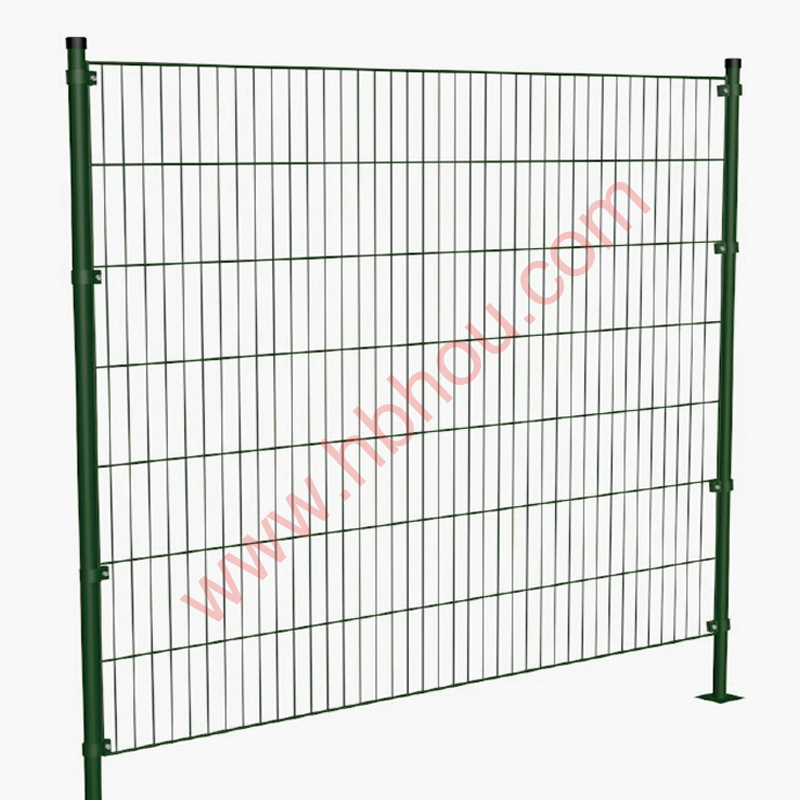
The Role of a 3 Foot Garden Fence in Modern Outdoor Spaces
When you think about fences, a 3 foot garden fence might seem like a modest, simple boundary. But honestly? It’s so much more than that. Across the globe, this kind of fence plays a subtle yet important role—defining spaces with style, safety, and sustainability at its core.
Whether it’s in urban community gardens, rural backyard retreats, or even large-scale landscaping projects, understanding the ins and outs of these fences helps homeowners, landscapers, and planners alike bring a fresh aesthetic without compromising practical needs. A modest height but significant impact!
Introduction: Why Does a 3 Foot Garden Fence Matter Globally?
Surprisingly, a 3 foot garden fence has a wide-reaching impact that stretches beyond personal convenience. According to the United Nations’ Habitat program, urban green spaces have become critical for healthy communities — and boundaries like garden fences help manage and protect these spaces effectively. The World Urbanization Prospects report suggests that over 55% of the world's population now lives in urban areas, which means more people are seeking well-defined, accessible garden spaces that are both visually appealing and safe.
However, challenges like property disputes, pet containment, or simply defining one's personal sanctuary can become awkward without clear boundaries. With the compact footprint of a 3 foot fence, users get a balance of subtle protection without blocking views or enclosing space too aggressively.
What Exactly Is a 3 Foot Garden Fence?
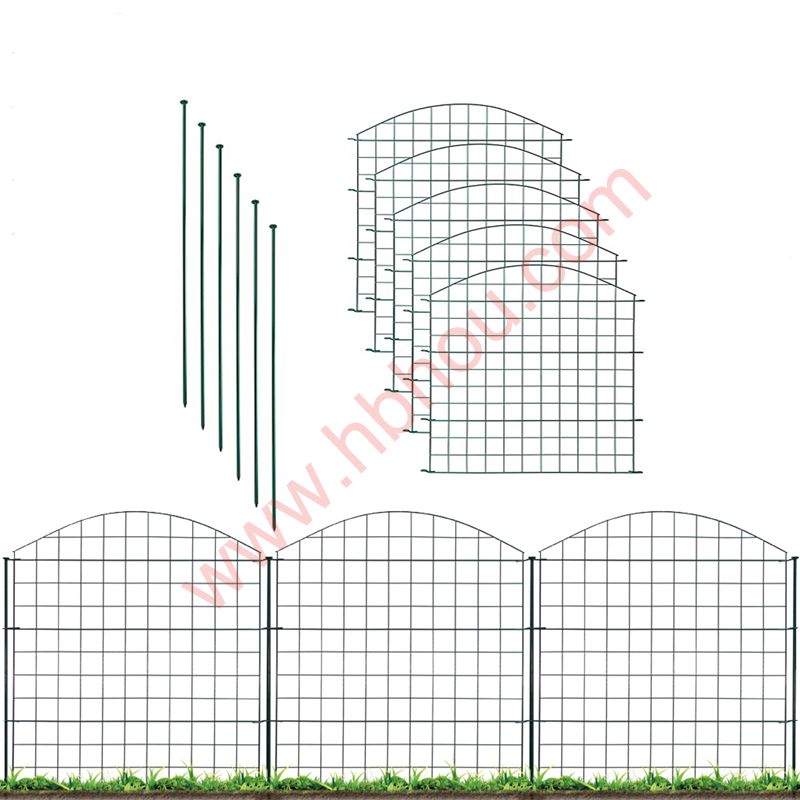
In simple terms, a 3 foot garden fence is a boundary barrier standing approximately one meter tall (about 36 inches), designed primarily to outline garden spaces. Unlike taller fences designed for privacy or heavy security, these fences emphasize charm, accessibility, and delineation without overwhelming the landscape.
In terms of connection to modern needs, these fences are integral to the horticulture industry, urban design, and even humanitarian efforts—for example, defining community garden plots in crowded neighborhoods or safeguarding crops against small animals in rural regions.
Core Components of a Quality 3 Foot Garden Fence
Durability
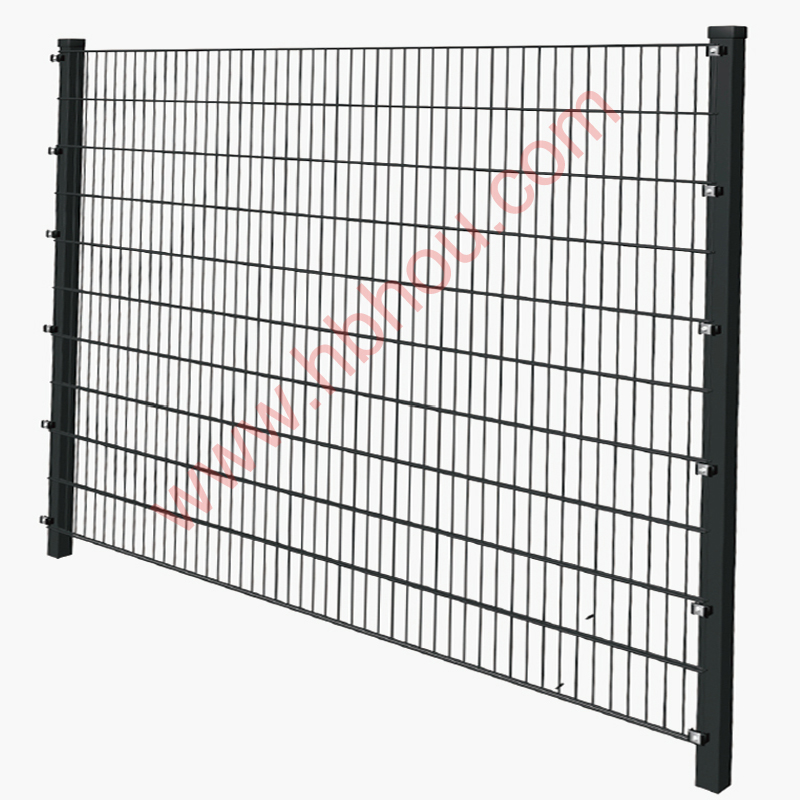
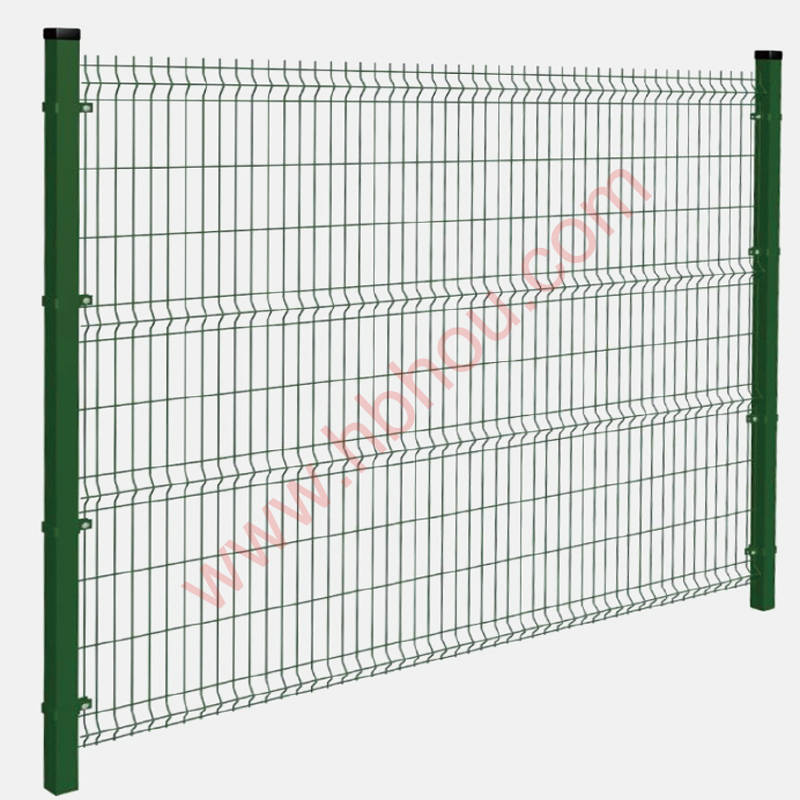
Durability is key. You want something that weathers seasonal changes without warping, rusting, or splintering. Many fences today use treated wood, powder-coated metal, or vinyl composites to endure moisture and sun exposure without frequent maintenance.
Aesthetics
This isn’t just functional, but decorative. A 3 foot garden fence often showcases craftsmanship—wrought iron patterns, classic white picket styles, or even contemporary clean lines—adding character and cohesion to outdoor spaces.
Cost Efficiency
Interestingly, these fences usually cost less than taller or more complex boundary solutions. For homeowners on a budget, they offer an affordable way to enhance landscape without overspending. Installation is usually quick, further saving on labor expenses.
Ease of Installation & Scalability
Many suppliers now offer modular designs for quick setup. You can start with a small segment and expand as needs grow, which is handy for rental properties or evolving garden plans.
Environmental Sustainability
Materials increasingly come from eco-friendly sources or recycled content. Some manufacturers even implement processes certified by ISO 14001 standards, which reflect rigorous environmental management.
Where and How Does the 3 Foot Garden Fence Show Up Globally?
Look to community gardening projects in London, where these fences keep plots neat without feeling like fortress walls. Over in Japan, their minimalist approach often incorporates low fencing made of bamboo or other natural elements for harmonious landscapes.
In the US, suburban neighborhoods employ 3 foot fences to contain pets and children while preserving sightlines. NGOs working in rural Africa also use low fences to protect vegetable patches from strays, improving food security.
- In post-disaster zones, temporary modular fences mark safe zones for replanting efforts.
- In remote industrial camp sites, these fences demarcate green recreation spaces without complicating logistics.
Mini takeaway: From city gardens to remote fields, 3 foot fences quietly play big roles.
Why Invest in a 3 Foot Garden Fence? Advantages & Long-Term Value
Beyond looks, these fences bring practical long-term value. They help reduce garden maintenance by keeping out foot traffic and animals, foster a sense of privacy without isolation, and contribute to neighborhood aesthetics — which, studies show, can raise property values by up to 5% (National Association of Realtors).
On a personal level, many gardeners report a psychological boost from defined boundaries—a mental “this is my sanctuary” feeling. Plus, lower fences cost less to repair or replace, easing homeowner worries.
Product Specification Table
| Specification | Detail |
|---|---|
| Height | 3 feet (36 inches / 0.91 meters) |
| Material | Wood (cedar/pine), Metal (wrought iron, steel), Vinyl |
| Finish | Painted, Stained, Powder-coated, Natural |
| Installation | Ground spike, Posts, Modular panels |
| Lifespan | 5-15 years depending on maintenance |
Looking Ahead: Innovations & Future Trends in Garden Fencing
Something I’m noticing is growing interest in smart garden fencing—yes, fences with embedded sensors for motion detection or soil monitoring! Combine that with solar-powered lights atop fence posts and we’re stepping into a future where a 3 foot garden fence is also a tech-savvy garden assistant.
Materials are evolving, too, with bio-composites and recycled plastics replacing traditional wood to reduce carbon footprint. Industry leaders are also exploring modular fencing that is easier to disassemble and reuse.
Common Challenges & How to Overcome Them
- Weathering & Maintenance: Many wooden fences quickly degrade without regular treatment — consider metal or vinyl for low upkeep.
- Security Limitations: Naturally, 3-foot fences won’t deter determined intruders — pair with hedges or lighting for better safety.
- Cost vs. Quality: Low-cost versions may look good at first but deteriorate quickly; investing slightly more in quality pays off long-term.
In short, understanding the “why and how” can help users pick the right fence for their unique garden challenges and budgets.
Vendor Comparison
| Vendor | Material Options | Price Range (USD) | Warranty | Eco Certifications |
|---|---|---|---|---|
| GreenLine Fencing | Recycled Plastic, Composite Wood | $25 - $50 per linear foot | 10 years | ISO 14001 |
| ClassicWood | Cedar, Pine | $15 - $40 per linear foot | 5 years | FSC Certified |
| Urban Metal Works | Wrought Iron, Steel | $35 - $70 per linear foot | 15 years | Powder Coat, RoHS compliant |
FAQ: Frequently Asked Questions About 3 Foot Garden Fence
Q: Is a 3 foot garden fence suitable for keeping out larger animals like dogs or deer?
A: While it can deter smaller pets and rabbits, a 3 foot fence is generally not tall enough to keep out deer or large dogs. For those, a taller fence or additional barriers might be necessary.
Q: How much maintenance does a wooden 3 foot garden fence require?
A: Untreated wood might need seasonal staining or sealing to prevent rot and insect damage. Treated woods or composite materials require less upkeep, often just an annual inspection and cleaning.
Q: Can I install a 3 foot garden fence myself, or should I hire a professional?
A: Many 3 foot fences come in modular panels designed for DIY installation. If you have basic tools and some patience, it’s definitely doable. However, for uneven terrain or complex layouts, a professional can save time and ensure durability.
Q: Are there eco-friendly options for 3 foot garden fences?
A: Absolutely. Many brands offer fences made from recycled plastics, sustainably harvested woods with FSC certification, or composite materials specifically designed to reduce environmental impact.
Q: How do I choose the right material for my climate?
A: In humid or rainy climates, vinyl or treated wood tends to survive best. Metal with appropriate powder coating works well in dry or industrial areas. Understanding your local weather patterns helps in picking a fence that lasts.
Conclusion: The Lasting Appeal of 3 Foot Garden Fences
Wrapping it all up, a 3 foot garden fence may not shout is the loudest, but it quietly delivers balance—combining beauty, function, and sustainability. These fences enhance garden spaces worldwide by framing life’s little sanctuaries with elegance and practicality.
If you’re curious to explore a range of affordable, stylish options or need expert advice about what fits your space best, do visit 3 foot garden fence. It’s where thoughtful design meets real-world needs, and frankly, it might just inspire your next garden project!
Mini takeaway: Sometimes, the simplest solutions shape our everyday joys the best.
References