In Libya, the demand for robust boundary systems is driven by a mix of urban expansion in Tripoli and the need for high-security industrial enclosures. The prevalence of saline air in coastal regions and abrasive sandstorms in the interior necessitates metal products with superior anti-corrosion coatings. Traditional boundaries are increasingly being replaced by specialized backyard fence panels that offer both privacy and structural integrity.
The local manufacturing sector has historically relied on basic chain-link systems. However, there is a growing shift toward aesthetic and functional integration. Modern projects now require the precision of metal wire manufacturing to create artificial grass fence panels, which provide a green psychological relief in arid desert climates while maintaining the strength of a steel core.
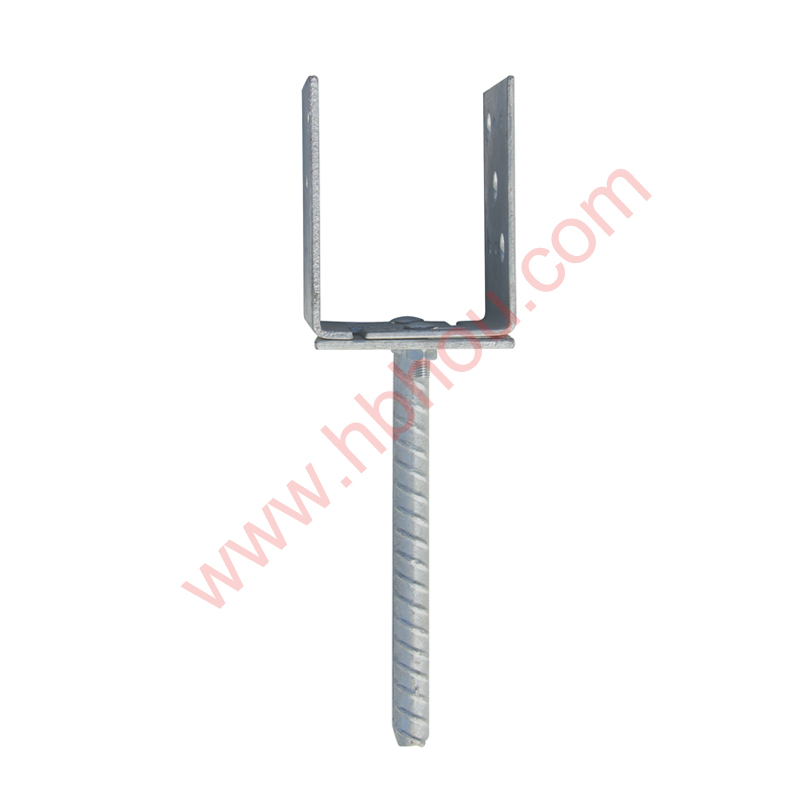
Currently, the market faces a gap in professional installation standards. The process of installing fence panels in Libya often struggles with soil instability in sandy areas, requiring deeper foundations and reinforced metal anchors manufactured to strict industrial tolerances to prevent leaning or collapse over time.