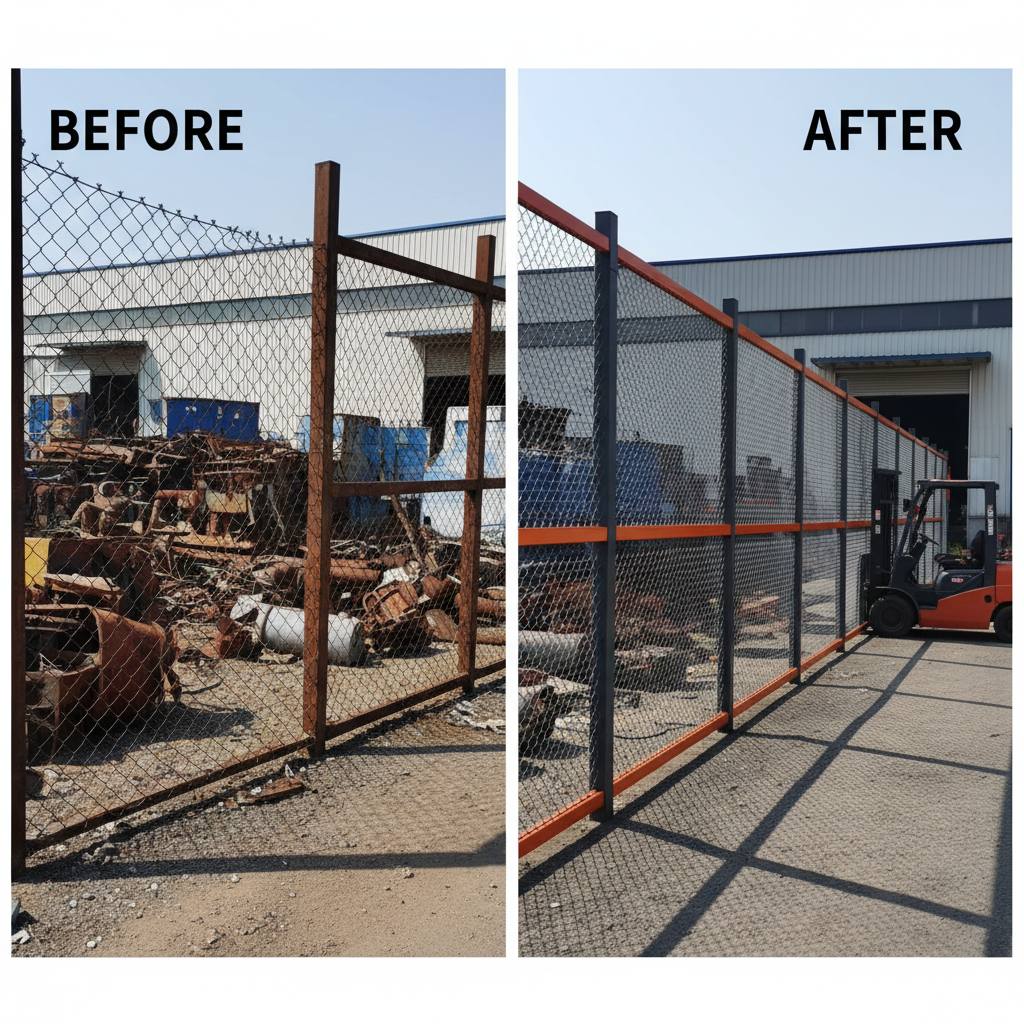
Selecting the right boundaries for industrial, agricultural, or residential properties requires a deep understanding of material science and structural engineering. Whether the goal is security, isolation, or gardening, the choice of wire fence manufacturers determines the lifespan and maintenance cost of the installation. This guide explores the technical nuances of wire mesh and fencing systems, providing a framework for procurement professionals and engineers to make informed decisions.
In the B2B sector, fencing is not merely a physical barrier but a complex system consisting of wire drawing, galvanizing, and precision assembly. The intersection of material strength and environmental resistance is where the real value lies. For companies managing large-scale projects, understanding the capabilities of the production mill—from wire drawing to powder coating—is essential to ensuring that the final product meets specific safety and durability standards.
Throughout this analysis, we will examine the critical factors in choosing a supplier, including the role of specialized fittings and post caps in enhancing structural stability. Readers will gain insights into how to evaluate technical specifications, identify high-quality surface treatments, and align product capabilities with operational requirements to achieve a long-term, low-maintenance boundary solution.
Industrial Fencing Standards and Frameworks
The production of high-grade wire fencing is rooted in the synergy between metallurgy and mechanical engineering. A professional production chain typically begins at the wire drawing mill, where raw steel is processed to precise gauges, followed by galvanizing to prevent oxidation. The industry distinguishes between various mesh types—such as welded wire mesh and chain link—each serving distinct purposes. Welded mesh offers rigid security and geometric precision, whereas chain link provides flexibility and ease of installation over uneven terrain. For those sourcing from wire fence manufacturers, the key is to verify the integration of these processes. A vertically integrated group company, managing everything from the galvanizing mill to the trading corporation, can offer tighter quality control and more competitive pricing by eliminating intermediary logistics. This structural advantage ensures that the wire's tensile strength and the coating's thickness are consistent across large shipments, which is critical for projects in harsh environments like coastal areas or chemical plants.
Evaluating Wire Fencing Production and Selection
Moving from general concepts to specific procurement, the evaluation of a fencing system must focus on the compatibility between the panels, the posts, and the accessories. The following sections break down the technical dimensions that impact the total cost of ownership and operational efficiency.
Material Composition and Durability
The core material determines the fence's ability to withstand physical impact and environmental decay. Iron steel and stainless steel are the primary choices for structural components, while PVC, PE, and Nylon are used for clips and caps to prevent galvanic corrosion. The selection depends on the intended use: stainless steel for high-corrosion zones and galvanized iron for standard industrial boundaries.
| Material Type | Primary Property | Typical Application | Durability Factor |
|---|---|---|---|
| Iron Steel | High Strength | Industrial Perimeters | Moderate (requires coating) |
| Stainless Steel | Corrosion Resistance | Chemical Plants/Coastal | High |
| PVC/PE | Weatherproofing | Clip Coatings/Garden | High (UV resistant) |
| Nylon | Flexibility | Specialized Fittings | Moderate |
| Galvanized Steel | Oxidation Barrier | Agricultural/Farm | High |
| Powder Coated Steel | Aesthetic/Protective | Residential/Patio | High (Surface hardness) |
Surface Treatment Mechanisms
Surface treatment is the first line of defense against rust. Hot-dip galvanizing involves immersing the steel in molten zinc, creating a thick, metallurgical bond that is far superior to cold galvanizing. Alternatively, powder coating provides a versatile aesthetic layer in colors like green, grey, brown, or black, while also offering a hard shell against scratches. The choice between these two often depends on whether the priority is extreme longevity (galvanizing) or a specific visual integration with the surrounding architecture (powder coating).
Post Compatibility and Fitting Systems
A fence is only as strong as its connection points. Utilizing specialized clips—whether round or square—ensures that panels are securely anchored to posts. For square tube posts, fittings like middle metal clips, end clips, and corner clips (e.g., sizes 40x40mm to 80x80mm) are essential. These accessories prevent the panels from sagging and allow for precise alignment during installation, significantly reducing the labor hours required for large-scale deployments.
Application-Specific Configurations
Different environments demand different configurations. For garden and patio use, humane and safe designs with rounded edges and aesthetic coatings are prioritized. In contrast, farm and sports ground fencing requires high-tensile strength and wide-span stability. By adjusting the mesh density and post spacing, manufacturers can tailor the solution to be either a lightweight decorative border or a heavy-duty security barrier.
Customization Capabilities for B2B
For supermarket sales or online distribution, packaging and modularity are key. B2B buyers should look for suppliers capable of providing "by set" configurations, including the fence, panel, gate, post, and accessories. Customization of size and color allows the product to fit specific site dimensions without the need for on-site cutting and welding, which often compromises the protective coating of the wire.
Quality Control and Structural Integrity
Maintaining strict quality control across the production line is what separates professional grade fencing from budget alternatives. This involves testing the weld strength of the mesh and the adhesion of the powder coating. A supplier with decades of experience in exporting to Europe and the Americas typically understands the stringent safety standards required for public spaces, ensuring that products are free from sharp burrs and structural weaknesses.
Procurement and Supply Chain Logistics
Efficient procurement involves evaluating the lead time and packing methods. Whether packed in plastic bags, cartons, or pallets, the packaging must prevent deformation during maritime transit. For international buyers, sourcing from a group company that manages its own mills reduces the risk of supply chain disruptions and allows for more flexible adjustments to product specifications during the manufacturing phase.
FAQ
What is the difference between hot-dip galvanizing and powder coating for fences?
Hot-dip galvanizing provides a thick layer of zinc that bonds chemically to the steel, offering superior rust protection, especially in harsh outdoor environments. Powder coating is a dry powder applied electrostatically and cured under heat, providing a smooth, colorful finish that is highly resistant to scratching and UV rays, making it ideal for residential and aesthetic applications.
How do I choose the correct clip size for my fence posts?
Clip size must match the outer dimensions of your post. For square tube posts, common sizes include 40x40mm, 50x50mm, 60x40mm, 60x60mm, and 80x80mm. You should measure the post's width and height accurately and select a clip (middle, end, or corner) that provides a snug fit to prevent the panel from shifting or rattling.
Can wire mesh fencing be customized for supermarket retail packaging?
Yes, professional manufacturers can customize both the product and the packaging to meet retail needs. This include creating "ready-to-sell" sets that combine panels and accessories in specific carton quantities (e.g., 100 pieces per carton) and adding retail-friendly labeling, which is essential for e-commerce and supermarket distribution.
Which material is best for high-humidity or coastal areas?
For high-humidity or saline environments, stainless steel or heavy-duty hot-dip galvanized steel is recommended. These materials provide the necessary oxidation resistance to prevent premature corrosion. Adding a PVC or PE coating over the galvanized wire can provide an additional layer of protection against salt spray.
What role do post caps play in the longevity of a fencing system?
Post caps serve two primary functions: they prevent rainwater and debris from entering the hollow center of the post, which stops internal corrosion, and they provide a finished, safe edge to the structure. Caps made of pressed steel, plastic, or nylon are available to match the post material and color.
How should a B2B buyer evaluate a new fencing supplier?
A buyer should evaluate the supplier's vertical integration (do they own the mills?), their export experience in the target region, and their ability to provide customized fitting solutions. Requesting technical specifications for coating thickness and weld strength, as well as verifying their capacity for custom sizing, will help determine if the supplier can maintain consistency across large orders.
References and further reading
- ASTM International - Standards for Steel Fencing and Wire Mesh.
- ISO 1461: Hot dip galvanized coatings on fabricated iron and steel articles.
- Industry Guide to Boundary Security and Perimeter Protection.
Related Articles